Society & Animals Journal of Human-Animal Studies
Logo - Society and Animals Journal
Volume 1, Number 1, 1993

Guest Editor’s Introduction: Animals in Children’s Lives

James Serpell 1
University of Pennsylvania

In contemporary Western society, nonhuman animals play an extraordinarily salient role in the lives of children. For their first gifts, almost all infants receive soft toys manufactured in the likeness of animals. Throughout childhood, children continue to receive such objects from friends and relatives—the recent cult of the beanie baby providing a suitable case in point. Animal representations liberally decorate the clothes, cribs, strollers, and prams of both babies and toddlers. In a child’s room, these same representations tend to appear on wallpaper, curtains, and lampshades. The overwhelming majority of fairytales, fantasies, fables, storybooks, and other literary genres associated with children either are about animals or feature animals as important central characters (Bettleheim, 1976; Tucker, 1989; Johnson, 1996).

Animals also predominate in television programs, cartoons, and films, especially those produced for younger children. After all, the entire media and entertainment edifice of the Walt Disney Corporation arose from animated caricatures of mice and has evolved through a veritable bestiary of comic, tragic, and heroic animal characterizations.

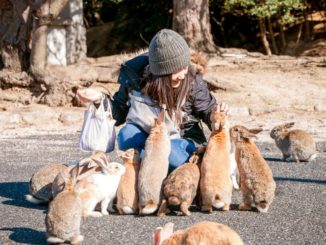
Real animals occupy an equally prominent position in the child’s world. Almost all children enjoy visiting zoos, aquaria, and natural history museums. Documentary films about animals and nature fascinate many children, and almost all, at some time in their lives, will keep companion animals. Market research has demonstrated that pet ownership occurs most frequently in households with children (Messent & Horsfield, 1985). Various studies suggest that over 90 % of children, if they do not already “own” a pet will express—when prompted—a desire to do so. (Salomon, 1981; Kidd & Kidd, 1985).

Whether child or adult is primarily responsible for promoting this apparent affinity for companion animals is unclear. Survey results indicate that the majority of parents either believe or assume that children benefit in various ways from the company of companion animals. Companion animals may teach a child responsibility, encourage caring attitudes and behavior, provide companionship, security, comfort, amusement, or an outlet for affection. They may promote respect and compassion for animals and nature by offering a child opportunities to learn about animals and the “facts of life” (Macdonald, 1981; Salomon, 1981; Cain, 1983; Salmon & Salmon, 1983; Paul, 1992; Paul & Serpell, 1992; Endenburg & Baarda, 1995). But the extent to which companion animals actually fulfill these varied roles is still largely unknown. To some extent, adult society may have constructed an idealized world of childhood populated by “animal friends” that bears only limited relation to children’s spontaneous or unindoctrinated perceptions and inclinations about animals (Kellert, 1985).

Animals as a Force for Good

Its unchallenged ubiquity in the modern, urban-industrial context may give the impression that this idyllic animal-child association always existed in some form or other. Grier’s careful historical analysis (this volume) tells a different story. According to Grier, middle-class parents and moralists in the late eighteenth and early nineteenth centuries essentially invented the child-pet relationship as we recognize it today. Its original purpose was to serve as an antidote to boys’ supposedly “natural” capacity for brutality and violence. By inculcating the middle-class virtues of kindness, gentility, and self-control through the medium of pet care, the Victorians intended to nip this masculine propensity in the bud before it could pose a serious threat to domestic harmony and the bourgeois social order. In addition, animal pets, although not regarded as moral agents, could serve as exemplars for the moral instruction of wayward youth. Their diligence in the care of their young, their fidelity to their human masters, their stoicism in the face of pain and adversity could all be used to good effect.

Although these ideas subsequently became central tenets of the humane education movement, a scarcity of empirical support remains for the view that caring for, or growing up with, pets during childhood inspires a more generalized kindness and sympathy toward animals or other people. Some studies suggest that adults tend to keep the same kinds of pets that they, as children, grew up with (Kidd & Kidd, 1980; Serpell, 1981; Poresky, Hendrix, Mosier & Samuelson, 1988). One, however, found that pet ownership in childhood was associated with less negative attitudes to some other animals such as lions, pigs, chickens, and snakes (Bowd, 1984). Similarly, Paul (1992) found strong statistical associations between childhood pet keeping and humane attitudes and behavior in adult life (Paul & Serpell, 1993). The cause of these associations, however, remains unknown. Positive parental attitudes to pets strengthen these effects, as does the absence of younger siblings. The type of pet and its individual importance to the child are important predictors of adult humane attitudes (Paul & Serpell, 1993; Serpell & Paul, 1994; Paul, pers. comm). Much further work is needed to resolve some of the important questions raised by these preliminary findings.

The Dark Side of the Force

Middle-class Victorians, following in the tradition of Montaigne and Locke, took the relatively optimistic view that infants and young children were naturally innocent and kind but that they could be corrupted by experience (Grier, this volume). Thus, allowing (male) children to be cruel to animals caused them to become brutal in a direct sense. Allowing the cruelty either desensitized the children to suffering or gave them an opportunity to experience and develop a taste for the “thrill” of inflicting pain—dubbed by Arluke “the graduation hypothesis” (Arluke & Lockwood, 1997).

Other more pessimistic “ideologies of childhood” preceded and coexisted with this one, particularly the Hobbesian or Calvinist view that children are innately savage and bestial and need to be tamed through a process of strict discipline and careful socialization (Myers, this volume). Perhaps, fortunately, the latter idea is less commonly expressed nowadays, but the former is still implicit in much of the recent literature on the “link” between animal abuse and family violence (Arluke & Lockwood, 1997)—including the two articles in this volume by Raupp and Flynn.

Raupp’s data found correlations between students’ self-reported maltreatment of pets, including relinquishing unwanted animals and using physical punishment to discipline pets, and their parents’ prior tendencies to engage in these behaviors. That parental modeling may account for this intergenerational continuity of attitudes and behavior towards animals is suggested by Raupp’s finding that male students tended to be influenced more by their fathers and female students by their mothers. Flynn’s study forges the link between animal-and human-directed violence by tracing associations between students’ recollections of harming or abusing animals in childhood and their current views on the acceptability of (a) husbands slapping their wives and (b) parents using corporal punishment to discipline their children.

Taking his cue from Ascione (1992), Flynn speculates that exposure to animal cruelty in childhood may cause children to become less empathic and therefore less inhibited about showing violence toward family members. In addition, he addresses the possible influence of parental modeling and/or the possibility that some children may simply be born with an “empathy deficit” that predisposes them to violence and abuse.

Fear of animals, second only in frequency to fear of the dark, is also widespread among children, and such phobias may, in their turn, generate active dislike or even profound hatred later in life. The origins of such fears have been the subject of considerable debate. Some have argued for an innate basis for these emotions (Jersild & Holmes, 1935; Morris, 1967). Others suggest that they may be learned through imitation of a parent (Levinson, 1969). The psychoanalytical work of Freud and his followers point to the feared animal representing an intimidating or hated authority figure or a symbolic projection of the child’s own unacceptable aggressive or libidinal impulses (Levinson, 1969). Such childish antipathies bear on animal welfare and environmental issues (Kellert, 1985) and provide a further illustration of the need for additional research to determine the developmental origins of animal and human cruelty and the putative connections between them.

As with studies of the developmental antecedents of antisocial behavior in children and adolescents, however, we must beware the temptation to interpret correlation as causation (Harris, 1998). There are multiple, plausible explanations for the apparent connection between the abuse of animals and the abuse of people or for the apparently positive moral impact of growing up with pets or other humane interventions. Only meticulously designed prospective studies using appropriate control groups can identify the true causes and effects in these relationships. It is probably advisable to avoid getting too carried away with enthusiasm for any particular interpretation of the evidence when this evidence may later turn out to be flawed.

Animals as Therapists

Although therapists and psychoanalysts, including Freud, very likely made casual use of their pets as catalysts in the treatment of emotionally disturbed children, Levinson (1969) seems to have originated the concept of using pets as catalysts. Levinson observed that many of his more withdrawn patients, when unwilling or unable to interact with him, readily related to his pet dog, Jingles. He found that he was able to break down the child’s initial hostility and reserve far more rapidly than was otherwise possible by cautiously inserting himself into this animal-child relationship. Pets not only served as “ice-breakers” in this context but also seemed to provide the child with a relatively neutral medium through which to express unconscious emotional conflicts, worries, and fears. Psychoanalysts appear to confirm the value of pets for children as a medium for acting out and resolving psychological conflicts. In a widely cited case study, Sherick (1981) showed how one of his young patients used her pets to re-enact, and so come to terms with, destructive or painful relationships with other members of her family.

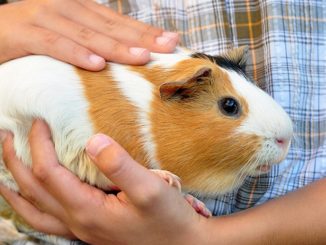
A psychologist friend, studying the influence of family relationships on the abilities of six-year-old children to form and maintain friendships at school, brought a similar case to my attention. During an interview, one child, especially unpopular with her peers, seemed particularly concerned about a family of guinea pigs she kept as pets. Rather than talking about herself, which was the purpose of the interview, this child repeatedly expressed worries about how, as she perceived it, the two male guinea pigs were “fighting” over the youngest female. Only later, during an interview with the mother, did my friend discover that two men were contesting paternity of this child. Myers (this volume) is appropriately critical of the way psychoanalysis has marginalized animals by reducing them to mere symbols or disguised impulses. Nevertheless, anecdotes and case studies of this kind are sometimes compelling and would probably repay more systematic investigation and analysis.

Perhaps surprisingly, Levinson (1969) did not endorse the popular psychoanalytic idea that children instinctively identify more easily with animals than with human beings. He did support the view, expressed earlier by Berl (1952), that emotionally disturbed children who have experienced difficulty in their relationships with people relate more easily or quickly to nonhuman animals (Levinson, 1969). The primary reason, he argued, was the animal’s ability to offer the child non-threatening, non-judgmental, and essentially unconditional attention and affection. This ability allowed the pet to serve as an adequate substitute companion and comforter when other relationships failed. Although Levinson clearly regarded this temporary role of the pet as important to the child’s psychological well being, he was not wholly convinced that such attachments were necessarily beneficial in the long term. Indeed, he detected among adult pet-owners many individuals who seemed to have become permanently fixated on animals in preference to humans. Rather, Levinson saw the relationship between the disturbed child and his or her pet as a sort of emotional bridge to access and reawaken the child’s enthusiasm for interpersonal relationships.

A handful of studies indicating that children use their pets for comfort when they, themselves, are feeling bored, lonely, or unhappy seems to have borne out Levinson’s (1969) emphasis on the importance of pets for distressed children (Kidd & Kidd, 1985). In addition, the studies indicate that this intimacy with pets in response to stressful events is associated with transient improvements in social-emotional functioning (Bryant, 1990). Pets, in this context, may serve as “transitional objects” (Winnicott, 1953) but have the added advantage over blankets or soft toys of being able to respond to the child’s needs by offering affection and apparent sympathy. In any case, the potential value of the pet as temporary emotional refuge for the unhappy child is a topic worthy of more detailed investigation.

Resistance to the Study of Child-Animal Relations

Although it is all very well to advocate further research, the sad truth is that psychologists and social scientists have shown a baffling lack of scholarly interest in the child-animal relationship, considering its extraordinary prominence in our culture. Not one of the major textbooks on psychology or child development offers more than a passing reference to the topic, a good illustration of this selective blindness.

Myers, arguing cogently and persuasively a theme he explores more extensively elsewhere, traces this blinkered attitude to a longstanding and deeply-rooted Western tendency to view children as essentially unformed and animal-like while regarding normal development as a process of shedding these animal-like attributes in favor of the actualization of adult qualities predefined as uniquely human. Framing the discussion of human development in these terms, he argues that psychology and the social sciences have produced a systematic denial of the importance, not only of human-animal relations, but also of the unselfconscious, nonverbal, and bodily ways in which children experience and learn about their world (Myers, 1998).

Myers’ argument has an inescapable ring of truth. A tadpole, for example, is not simply an unformed frog, and we should endeavor to understand the experiences and needs of children within the social and cognitive environment to which they are uniquely adapted. If interactions with animals are as attractive and important to children as they appear to be, then it is the height of adult arrogance to assume that child-animal relations are somehow irrelevant to normal development. In fact, given the evolutionary history of our species and its overwhelming dependence on other animals as food, workers, companions, religious icons, symbols, and exemplars, it would be somewhat surprising if children evinced no spontaneous affinity for animals. One is even tempted to speculate about the possible detrimental consequences of failing to allow children access to animals and nature at appropriate points in their ontogeny.

There can be little doubt that children, from observing and interacting with animals and nature, learn things and acquire skills that they probably cannot learn or acquire in other ways (Shepherd, 1978; Myers, 1998; Hindley, 1999). The question now is what do they learn and what influence does it have on their socio-emotional and cognitive development? Thus far, we have barely begun to answer this question.

References

Arluke, A. & Lockwood, R. (1997). Understanding cruelty to animals. Society & Animals, 5, 183-193.

Ascione, F. R. 1992. Enhancing children’s attitudes about the humane treatment of animals: generalization to human-directed empathy. Anthrozoös, 5, 176-191.

Berl, M. E. (1952). Therapy at the zoo. Quarterly Journal of Child Behavior, 4, 209-212.

Bettleheim, B. (1976). The uses of enchantment: The meaning and importance of fairytales. London: Thames & Hudson.

Bowd, A. D. (1984). Fears and understanding of animals in middle childhood. Journal of Genetical Psychology, 145, 143-144.

Bryant, B. K. (1990). The richness of the child-pet relationship: a consideration of both benefits and costs of pets to children. Anthrozoös, 3, 253-261.

Cain, A. O. (1983). A study of pets in the family system. In A.H. Katcher and A.M. Beck (Eds.). New perspectives on our lives with companion animals. Philadelphia: University of Pennsylvania Press.

Endenburg, N. & Baarda, B. (1995). The role of pets in enhancing human well-being: effects on child development. In I. Robinson (Ed.), Waltham book of human-animal interaction: Benefits and responsibilities of pet ownership. Oxford: Pergamon.

Harris, J. R. (1998). The Nurture assumption: Why children turn out the way they do. New York: The Free Press.

Hindley, M. P. (1999). ‘Minding Animals’: The role of animals in children’s mental development. In F. Dolins (Ed.), Attitudes to animals: Views in animal welfare. Cambridge: Cambridge University Press.

Jersild, A. T. & Holmes, F. B. (1935). Children’s fears. Child Development Monographs, 20.

Johnson, K. R. (1996). The ambiguous terrain of petkeeping in children’s realistic animal stories. Society & Animals, 4, 1-7

Kellert, S. R. (1985). Attitudes toward animals: Age-related development among children. Journal of Environmental Education, 16, 29-39.

Kidd, A. H & Kidd A. M. (1980). Personality characteristics and preferences in pet-ownership. Psychological Reports, 46, 939-949.

Kidd A. H. & Kidd, A. M. (1985). Children’s attitudes towards their pets. Psychological Reports, 57, 15-31.

Levinson, B. M. (1969). Pet-oriented child psychotherapy. Springfield, Ill: Charles C. Thomas.

Macdonald, A. (1981). The pet dog in the home: A study of interactions. In B. Fogle (Ed.), Interrelations between people and pets. Springfield, Ill: Charles C. Thomas.

Messent, P. R. & Horsfield, S. (1985). Pet population and the pet-owner bond. In The human-pet relationship. Vienna: IEMT.

Morris, D. (1967). The Naked Ape. London: Jonathan Cape.

Myers, O. E. (1998). Children and animals. Boulder, CO: Westview Press.

Paul, E. S. (1992). Pets in childhood. Unpublished Ph.D. Dissertation: University of Cambridge.

Paul, E. S. & Serpell, J. A. (1992). Why childrenkeep pets: The influence of child and family characteristics. Anthrozoös, 5, 231-244.

Paul E. S. and Serpell, J. A. (1993). Childhood petkeeping and humane attitudes in young adulthood. Animal Welfare, 2, 321-338.

Poresky, R. H., Hendrix, C., Mosier, J. E. & Samuelson, M. L. (1988). Young children’s companion animal bonding and adults’ pet attitudes: A retrospective study. Psychological Reports, 62, 419-425.

Salmon, P. W. & Salmon I. M. (1983). Who owns who? Psychological research into the human-pet bond in Australia. In A. H. Katcher and A. M. Beck (Eds.). New perspectives on our lives with companion animals. Philadelphia: University of Pennsylvania Press.

Salomon, A. (1981). Animals and children: The role of the pet. Canada’s Mental Health, June, 9-13.

Serpell, J. A. (1981). Childhood pets and their influence on adults’ attitudes. Psychological Reports, 49, 651-654.

Serpell, J. A. & Paul, E. S. (1994). Pets and the development of positive attitudes to animals. In A. Manning and J. A. Serpell (Eds.), Animals & human society: Changing perspectives. London: Routledge.

Sherick, I. (1981). The significance of pets for children: Illustrated by a latency-age girl’s use of pets in her analysis. Psychoanalytic Studies of the Child, 36, 193-215.

Shepherd, P. (1978). Thinking animals: Animals and the development of human intelligence. New York: Viking Press.

Tucker, N. (1989). Animals in children’s literature. In D. Paterson & M. Palmer (Eds.), The status of animals: Ethics, education and welfare. Wallingford: CAB International. International Journal of Psychoanalysis, 24, 88.<

--------------------------------------------------------------------------------

Note

1. Correspondence should be sent to James A Serpell PhD., Center for the Interaction of Animals & Society, School of Veterinary Medicine, University of Pennsylvania, 3850 Spruce Street, Philadelphia, PA 19104-6010.
 

For Abstracts of all issues, including the most current, click Article Abstracts

To order Society & Animals Journal, go to our secure online ordering page

You can Search the online issues of Society & Animals, as well as the entire Society & Animals Forum (formerly PSYETA) website,
for topics and keywords of your interest:

Google

Search Our Site


Society&Animals Forum
Violence Link
Animals in the Classroom
Publications
Resources & Educational Material
About
How You Can Help