
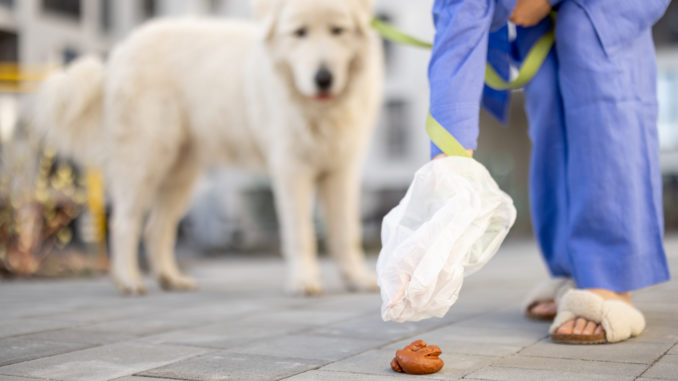
Your dog cannot tell you when something feels off in their gut. Their poop can. Whether you’ve noticed your dog pooping a lot more than usual or spotted a color that was not there last week, these dog poop consistency health signs often show up before vomiting, lethargy, or appetite loss ever do. Here is what to actually look for.
1. Color Is the First Indicator to Check
Healthy dog poop runs chocolate brown. That color comes from bile actively breaking down waste in the digestive tract. When it shifts, something in that process has changed.
Green poop often means the dog ate a significant amount of grass, which irritates the gut and speeds up transit. Yellow or orange stool points to slower bile processing tied to liver or pancreatic dysfunction. Black, tarry poop signals upper GI bleeding and warrants same day veterinary care. Bright red streaks indicate bleeding closer to the rectum or colon. Gray or greasy stool suggests fat malabsorption, sometimes tied to exocrine pancreatic insufficiency (EPI).
A single unusual stool color is not always cause for concern. A pattern that persists over 24 to 48 hours is.
2. Consistency Tells You What the Gut Is Actually Doing
Vets use a fecal scoring scale from 1 to 7 to assess stool. A 1 means hard dry pellets; a 7 means pure liquid. The target is a 2: firm, segmented, and easy to pick up cleanly. A score of 3, slightly softer with minor residue, still falls within the normal range.
Mushy stool at a 4 or 5 often reflects food intolerance, stress, or an active parasite infection. Hard, dry stool typically points to constipation or dehydration. Watery stool is diarrhea, and the causes range from eating something off the ground to viral infections like parvovirus.
3. A Mucus Coating Signals Intestinal Irritation
Dogs produce a small amount of mucus in the gut to keep digestion moving. A light film on the outside of a stool? Often nothing to worry about. Thick, slimy coating that covers the stool entirely? That is the intestinal lining flagging active irritation.
Excessive mucus frequently points to colitis, a bowel infection, or early inflammatory bowel disease. When it shows up alongside repeated straining or stool color changes, a vet visit makes sense sooner rather than later.
4. Frequency Reveals How Hard the Gut Is Working
Most healthy dogs poop one to three times per day on a consistent schedule. Going significantly more than that, with urgency or loose output, suggests the digestive tract is moving too fast. Common drivers include intestinal parasites, a sudden diet change, anxiety, or a food high in insoluble fiber that the gut cannot properly process.
Going less than once a day, or producing small strained output with visible effort, points toward constipation. Both extremes are worth tracking if they last beyond two days.
5. What’s Inside the Stool Is Just as Telling
Contents reveal what the gut processed and what it could not. Small white segments shaped like grains of rice signal tapeworms. Spaghetti shaped strands point to roundworms. Both require prompt treatment, and your vet needs to confirm the type before prescribing a dewormer.
Consistently visible chunks of undigested food suggest the intestinal transit time is too fast or that digestive enzymes are not doing their full job. An occasional kernel making it through is normal. Seeing it after every meal is not.
6. Smell Catches What the Eye Misses
Healthy dog poop carries a mild odor that fades quickly. A metallic, fishy, or aggressively pungent smell signals that something in the digestive process has broken down. This type of odor often accompanies bacterial imbalance, active infection, or malabsorption in the gut.
A sudden change in smell, especially when it pairs with any other sign on this list, carries more diagnostic weight than either signal on its own.
When These Dog Poop Consistency Health Signs Point to Something Serious
A single abnormal stool usually resolves within a day. Persistent changes over 48 hours, sudden severe shifts, or stool changes paired with vomiting or lethargy all justify a call to your vet. Black tarry stool, bright red blood, and watery diarrhea that continues for more than a day require same day attention.
Gut problems caught early respond better to treatment. Tracking what you see, noting when it started, and sharing that information with your vet gives them a far clearer picture than a general complaint of “something seems off” ever will.
FAQs
What does healthy dog poop look like?
Healthy dog poop is chocolate brown, firm, and segmented with a mild odor. It holds its shape, lifts cleanly off the ground, and scores around a 2 on the veterinary fecal scoring scale.
What does mucus in dog poop mean?
A thin coating is normal. Thick, slimy mucus covering the stool suggests intestinal inflammation, a bowel infection, or colitis. Repeated mucus in stool, especially alongside straining or color changes, warrants a vet visit.
What color dog poop is a veterinary emergency?
Black tarry stool signals upper GI bleeding and needs same day care. Bright red blood, watery stool that persists, and purple or jam-like poop also require prompt veterinary attention.
How often should a dog poop?
Most healthy dogs poop one to three times daily on a regular schedule. Going significantly more or less than usual, or straining without much output, is worth monitoring and reporting if it lasts more than two days.
What does it mean if my dog’s poop has worms in it?
White rice shaped segments signal tapeworms. Spaghetti shaped strands indicate roundworms. Both are treatable, but your vet needs to identify the type before prescribing the correct dewormer.
Leave a Reply